
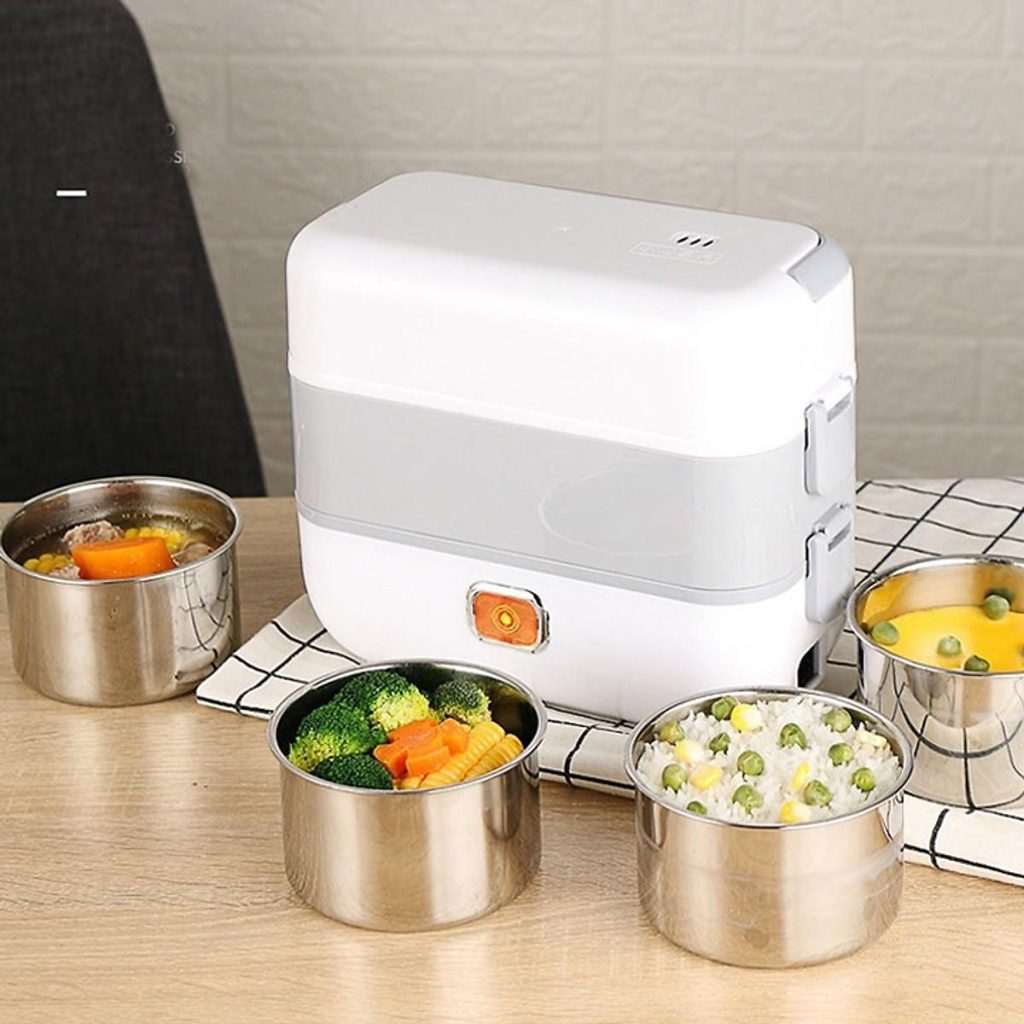
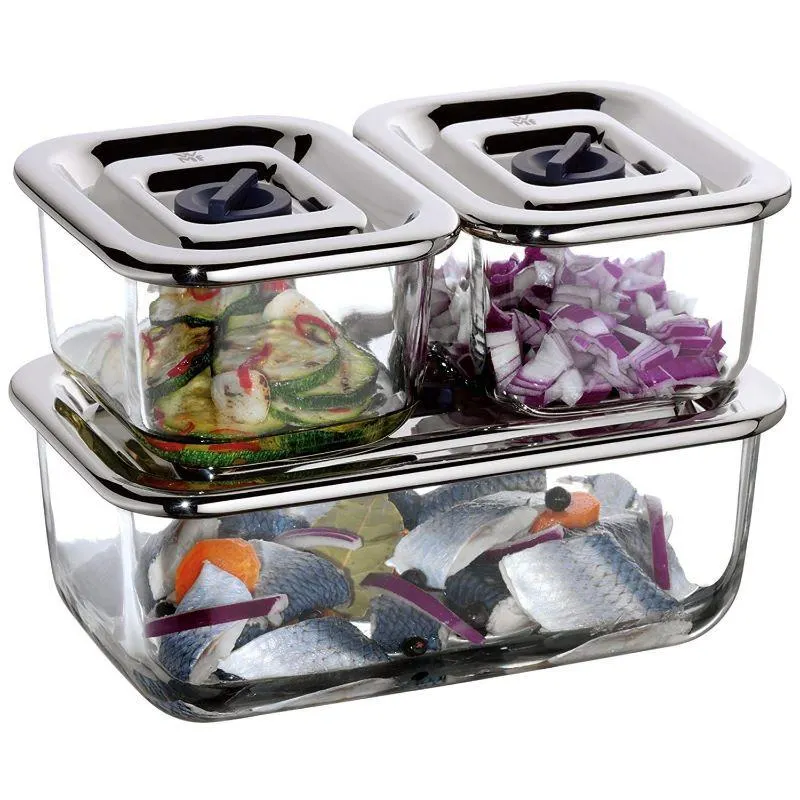
Glass food containers offer the highest level of safety and are suitable for both the fridge and freezer.
- For freezer storage, you should consider the following two materials:
- PP plastic food containers: Plastic is only harmful when exposed to high temperatures or when it has melted. PP plastic is very safe for health, and at low temperatures, it does not release any harmful substances. Therefore, PP containers are completely safe for storing food in the freezer.
- Glass food containers: Glass can usually withstand high temperatures, but if kept in the freezer for a long time, it may crack or break.
Therefore, it is best to choose high-quality heat-resistant glass containers to minimize cracking and ensure safe, long-term food storage.
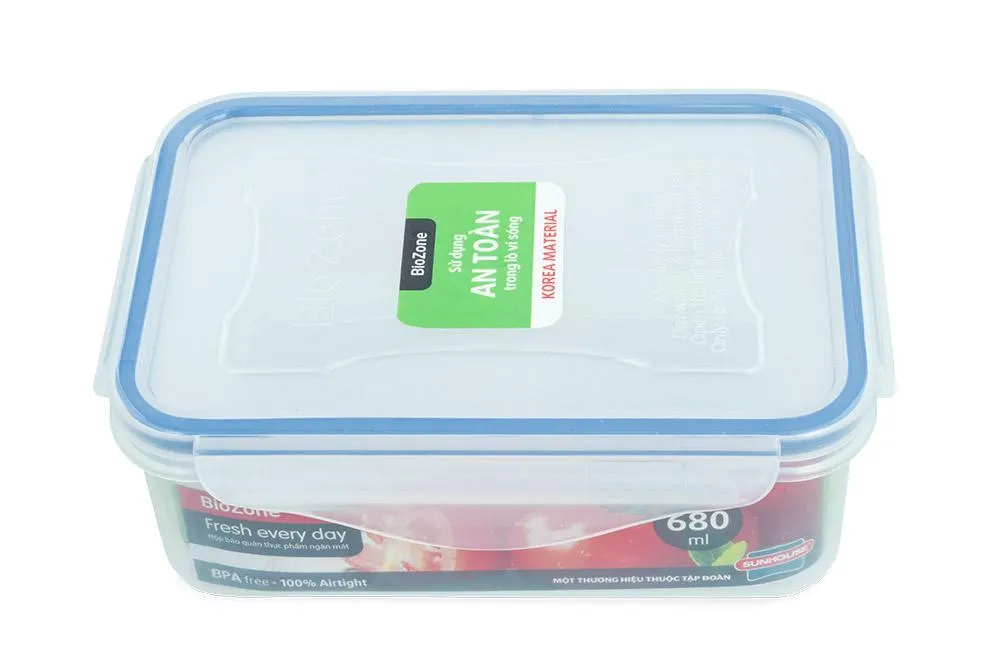
Virgin plastic food containers are safe for health
For the refrigerator compartment, most types of food containers can be used. However, plastic containers are widely chosen because they are safe, cost-effective, and durable. That said, you should avoid cheap, low-quality plastic containers or single-use plastic boxes. Do not buy products with unclear origins or without material labels.
Safe plastic types you should choose include PP, or plastics marked with recycling codes 2 (HDPE), 4 (LDPE), and 1 (PET). PET containers should only be reused 2–3 times. Plastics marked #7 and foam containers should be avoided.
In addition, for fresh food, you should use containers with lids to keep food well stored. For families with young children, it is better to limit the use of glass and instead choose safer plastic materials such as Tritan.
How to Use and Store Food Containers in the Refrigerator
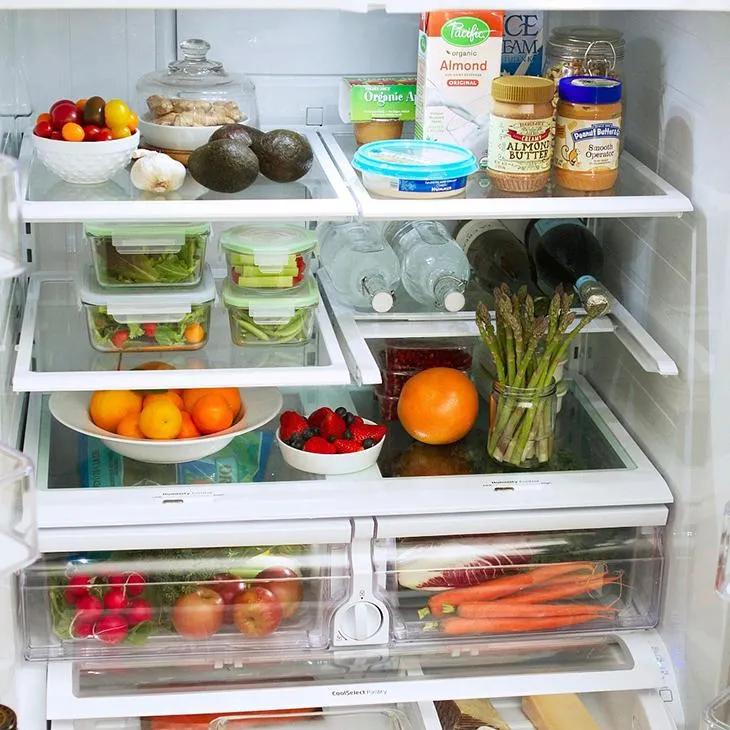
Store food in the refrigerator using containers of different materials and sizes
- Food storage containers are essential and used regularly in the fridge. Using and storing them properly helps reduce risks, keeps food safe, and preserves nutrients. Here are some useful tips:
- Always close the lid when storing food in the fridge or freezer to prevent bacteria contamination.
- Avoid covering containers with plastic lids when using a microwave, as pressure can build up and cause them to burst. High heat can also melt plastic and release harmful substances into food.
- When using glass containers in the microwave, let them sit at room temperature for 3–5 minutes after taking them out of the fridge to avoid sudden temperature changes that may cause cracking.
- Limit using plastic containers in the microwave. Even if some are labeled as microwave-safe, high heat can still cause chemicals to leach into food. Plastic containers can also absorb food odors easily, so clean them right after use, dry them in sunlight, or rinse with hot water to remove smells.
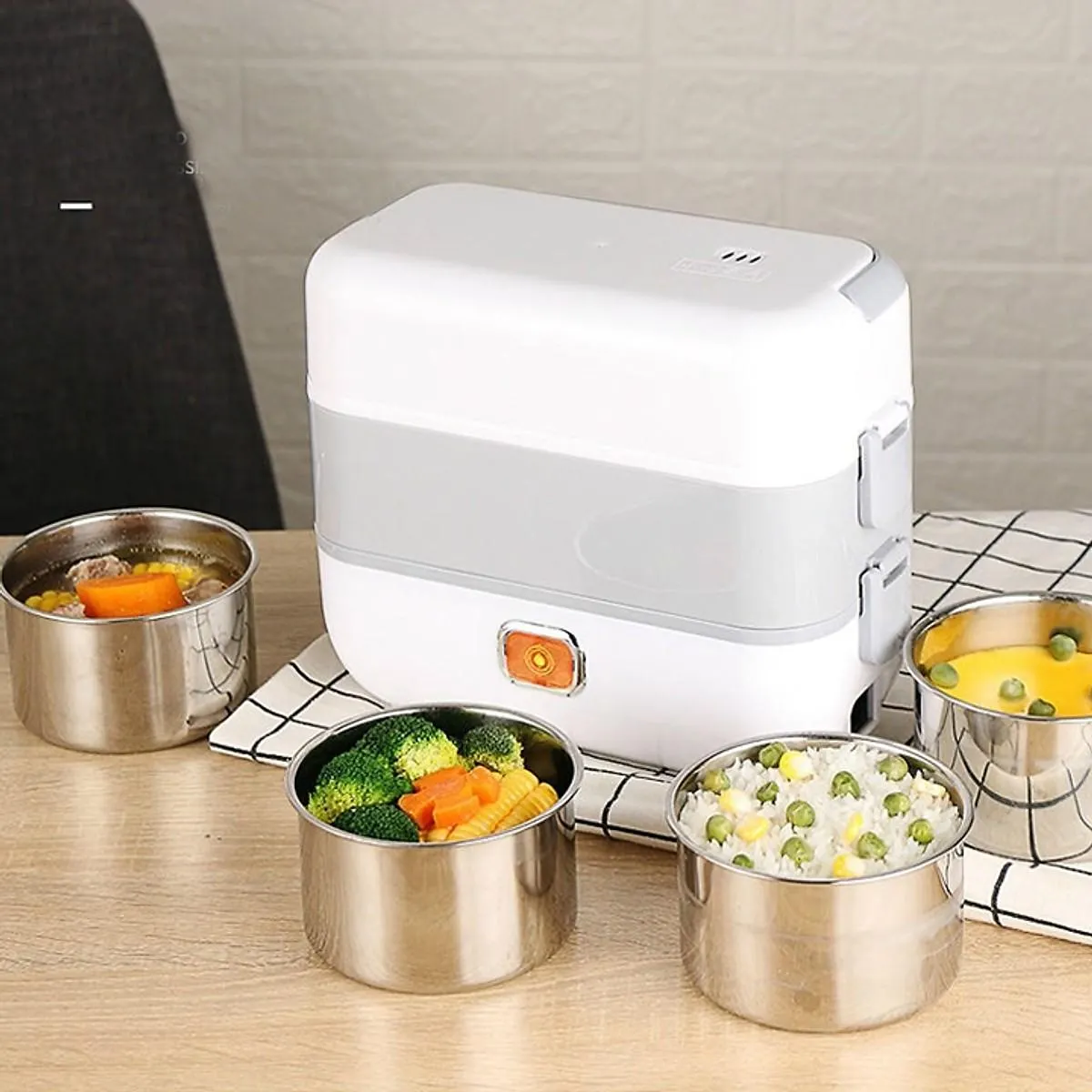
Do not use stainless steel containers for highly acidic foods
- When using stainless steel food containers, avoid storing highly acidic or sour foods, as they can cause the container to corrode and affect the food. If rust appears, you can clean it using vinegar or salt.
- Using food containers in the microwave: Glass and ceramic are the safest and most durable materials, as they can withstand high temperatures and are best suited for microwave use. In urgent cases, you can use PP plastic containers, but only for about 2–3 minutes at temperatures below 165°C.
We hope these tips help you store food in the refrigerator more easily using convenient and safe food containers.